Khutba e Juma · Hazrat Maulana Shah Mohammed Jamal ur Rahman Sahab
نظر ہمیشہ مسبب پر ہونی چاہیے
Look Beyond the Means to the One Who Causes Them
Using the means of this world while trusting only in Allah
- DeliveredFriday, 10 December 2021
- Duration20 min
- LanguageUrdu
- ThemeIman & Aqeedah
Watch on YouTubeAll Khutbat e Juma of Hazrat
About this khutba
A believer lives in a world of asbab (means): medicine, work, money and effort. Islam asks us to use these means fully, but never to let our hearts rest on them. The real cause behind every cause is Allah, the Musabbib al-Asbab. In this khutba, Hazrat Maulana Shah Mohammed Jamal ur Rahman Sahab (DB) explains why the believer’s gaze must always rise above the means to the One who gives them their effect.
This balance protects a person from two extremes: abandoning effort in the name of trust, and placing trust in effort alone. When the heart is attached to Allah, success brings gratitude instead of pride, and failure brings patience instead of despair.
Key lessons
- The difference between asbab (means) and the Musabbib (their Creator)
- Tawakkul: trust in Allah together with effort
- How attachment to means weakens faith
- Gratitude in success and patience in hardship



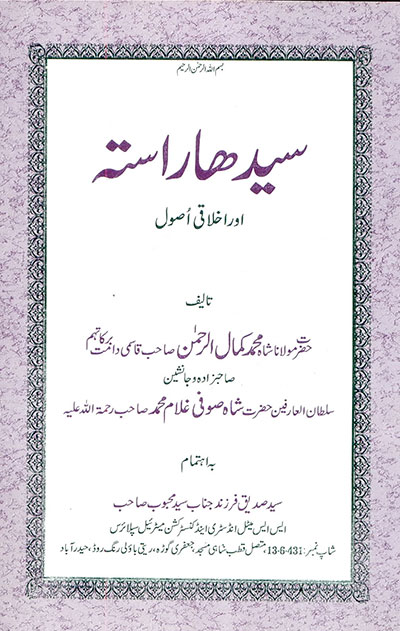
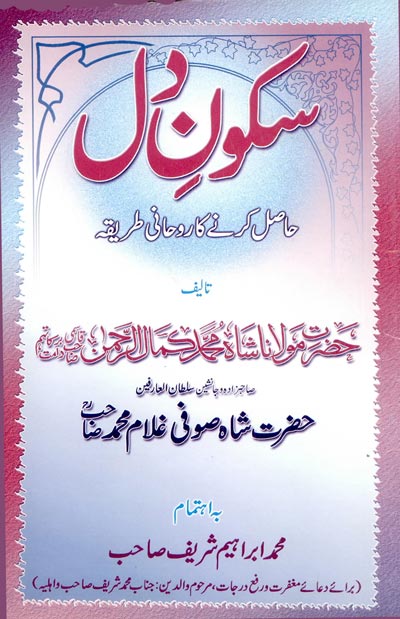
Oct 19 2026
Yeh Duniya Azmaish Ki Jagah Hai – This World Is a Place of Test
This World Is a Place of Test
Watch on YouTubeAll Khutbat e Juma of Hazrat
About this khutba
Allah created life and death to test which of us is best in deed. This simple truth changes the way a believer looks at wealth, poverty, health, illness, honour and difficulty. In this Friday khutba, Hazrat Maulana Shah Mohammed Jamal ur Rahman Sahab (DB) reminds the listeners that this world is dar al-imtihan, the place of examination, and that every condition we pass through is a question paper from Allah.
Seen this way, ease becomes a test of gratitude and hardship becomes a test of patience. The khutba urges the listener not to be deceived by the glitter of the world, nor to be broken by its trials, but to keep the final result in the Hereafter always in view.
Key lessons
By silsilaekamaliya • Bayanaat – Hazrat Maulana Shah Jamal ur Rahman Sahab, Khutbat e Juma – Friday Sermons in Urdu, Khutbat e Juma – Maulana Shah Jamal ur Rahman Sahab