بِسْمِ اللّٰهِ الرَّحْمٰنِ الرَّحِيْمِ
Friday Sermons of Silsila e Kamaliya
Khutbat e Juma the weekly light of the believer
خطباتِ جمعہ
Every Friday the believers gather to hear the reminder of Allah. Here you can watch and read the Juma khutbat of the mashaikh of Silsila e Kamaliya in Urdu, each with its video, key lessons, a verse of the Qur’an and a practical step to act on during the week.
يَا أَيُّهَا الَّذِينَ آمَنُوا إِذَا نُودِيَ لِلصَّلَاةِ مِن يَوْمِ الْجُمُعَةِ فَاسْعَوْا إِلَىٰ ذِكْرِ اللَّهِ“O you who believe, when the call is made for prayer on Friday, hasten to the remembrance of Allah.” Al-Jumu‘ah 62:9
120New khutbat
4Released daily
300+In the archive
UrduLanguage
New series
Khutbat e Juma of Hazrat Maulana Shah Mohammed Jamal ur Rahman Sahab
Hazrat Maulana Shah Mohammed Jamal ur Rahman Sahab Miftahi (Damat Barakatuhum) has been delivering the Friday khutba in Hyderabad, including at Jama Masjid Mallepally, on iman, family, character, the Seerah, Ramadan, Hajj and the challenges facing the ummah. New khutbat are released here every day.
- Aqeeda e Tauheed – The Creed of Tawheed: Oneness of Allah
 Aqeeda e Tauheed: a Friday khutba on the Oneness of Allah, the foundation of Islam, and its demands on daily life. By Maulana Shah Jamal ur Rahman Sahab.
- Apne Iman Ki Hifazat Kijiye – Protect Your Faith
 Protect Your Faith: a Juma khutba on guarding iman against doubts, desires and harmful influences. By Hazrat Maulana Shah Mohammed Jamal ur Rahman Sahab.
- Allah Ki Madad Aur Nusrat Kaise Hasil Hogi – How to Earn the Help and Support of Allah
 How to earn the help and support of Allah: a Friday khutba on the Qur’anic conditions for divine nusrat. By Maulana Shah Jamal ur Rahman Sahab.
- Quwwat e Imani Ko Farogh Dein – Strengthen the Power of Your Faith
 Strengthen Your Faith: a Juma khutba on how iman grows, what weakens it, and how to build steadfast faith. By Maulana Shah Jamal ur Rahman Sahab.
- Zindagi Guzarne Ke Do Sunehre Usool – Two Golden Rules for Living Life
 Two Golden Rules for Living Life: a Friday sermon with clear principles from Qur’an and Sunnah for a balanced life. By Maulana Shah Jamal ur Rahman Sahab.
- Har Kaam Ke Do Rukh Hote Hain – Every Deed Has Two Faces
 Har Kaam Ke Do Rukh Hote Hain: a Juma khutba on intention and choosing the side of every action that Allah loves. By Maulana Shah Jamal ur Rahman Sahab.
- Deen Ki Baatein Har Kisi Se Na Lein – Take Your Deen Only From Trustworthy People
 Deen Ki Baatein Har Kisi Se Na Lein: a Friday khutba on taking religious knowledge only from reliable scholars. By Maulana Shah Jamal ur Rahman Sahab.
- Surya Namaskar Shariat Ki Nigah Mein – Surya Namaskar in the Light of Shariah
 Surya Namaskar Shariat Ki Nigah Mein: a Juma khutba explaining the Shariah view and the importance of guarding tawheed. By Maulana Shah Jamal ur Rahman Sahab.
- New Year Celebration Aur Musalman – New Year Celebrations: A Muslim’s Perspective
 A Friday khutba on New Year celebrations and how a Muslim should use the passing of time for self-accountability. By Maulana Shah Jamal ur Rahman Sahab.
Browse by theme
Find a khutba for what your heart needs today
Khateebs
Khutbat from across the Silsila
New · HyderabadHazrat Maulana Shah Mohammed Jamal ur Rahman SahabFriday khutbat in Urdu, released daily
Chicago, USAKhutbat e Juma ChicagoFriday sermons from Chicago
LegacyKhutbat e KamaliyaKhutbat from the Kamaliya tradition
ClassicKhutbat Hakeem ul UmmatKhutbat of Hakeem ul Ummat
ArchiveAll Khutbat e JumaThe complete archive of Friday sermons
MajalisKhanqah e KamaliyaWeekly majalis, timings and live streams
Sunnahs of Friday
Make the most of the best day of the week
- Ghusl and cleanlinessBathe, wear clean clothes and apply fragrance before going to the masjid.
- Go early to the masjidThe earlier one arrives for Juma, the greater the reward, as taught by the Prophet ﷺ.
- Listen to the khutba in silenceGive the khutba your full attention; even saying “be quiet” during it is discouraged.
- Recite Surah Al-KahfIts recitation on Friday is a light for the believer between the two Fridays.
- Send abundant duroodThe Prophet ﷺ asked us to send blessings upon him in abundance on Friday.
- Seek the hour of acceptanceThere is an hour on Friday in which du‘a is accepted; many scholars seek it in the last hour before Maghrib.

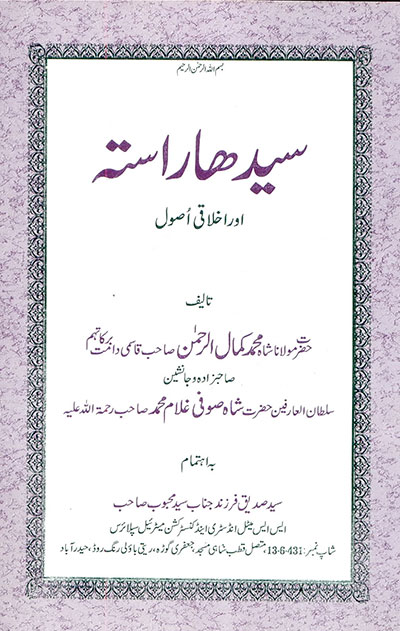
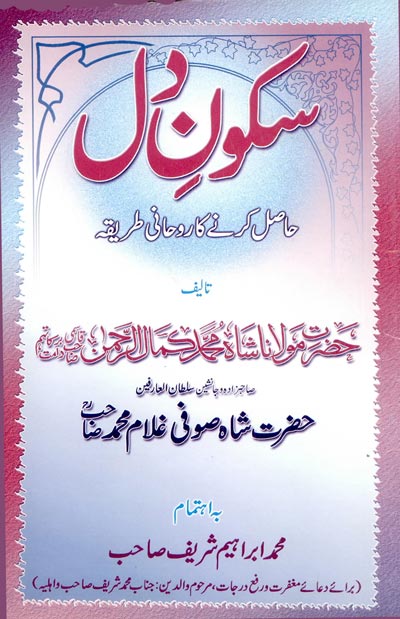
Oct 21 2026
Aqeeda e Tauheed – The Creed of Tawheed: Oneness of Allah
The Creed of Tawheed: Oneness of Allah
Watch on YouTubeAll Khutbat e Juma of Hazrat
About this khutba
Tawheed, belief in the absolute Oneness of Allah, is the first and greatest pillar of Islam. Every prophet came with this message, and every act of worship rests upon it. In this khutba, Hazrat Maulana Shah Mohammed Jamal ur Rahman Sahab (DB) explains the meaning of the creed of tawheed and its demands on the life of a Muslim.
The khutba shows that tawheed is not only a statement of the tongue but a conviction of the heart that shapes how a person prays, asks, fears, hopes and depends. It also warns against practices that compromise this creed, and calls the listener to purify his belief and his worship for Allah alone.
Key lessons
By silsilaekamaliya • Bayanaat – Hazrat Maulana Shah Jamal ur Rahman Sahab, Khutbat e Juma – Friday Sermons in Urdu, Khutbat e Juma – Maulana Shah Jamal ur Rahman Sahab